.png)




The most important thing that any SaaS founder realizes sooner or later is that ideas do not fail, the architecture does. The majority of the products do not fail due to poor vision. They failed due to the reduced performance as the app struggled to accommodate more users, a single update failed the whole system, due to the inability of the servers to accommodate a traffic burst, or due to scaling being more expensive than could be funded by the startup.
Cloud architecture here is the main life saviour of every emerging SaaS business. It dictates how fast you are, how much uptime you have, how cost effective you are, how safe you are and finally, how your product can be expanded without the need to rewrite the whole product.
Scalability is a competitive edge in the SaaS realm and achieving scalability by building cloud architecture.

Why Cloud Architecture Shapes the Future of Every SaaS Startup
Good architecture passes unnoticed when everything is going on. You know it only when something goes bad, when your application takes more time than you expected it to load, or when the users suddenly spike the system and your system cannot handle the load.
In the case of SaaS, architecture is not a technical aspect. It forms the basis upon which you can make improvements to your product, enhance it to succeed, implement features more quickly, and optimistically grow and scale without headache. That is why SaaS businesses nowadays have an intensive utilization of cloud infrastructure: cloud computing introduces flexibility, distribution on a global level, and a built-in scalability that cannot be ensured via physical servers.
When a startup has an excellent cloud architecture, it can enter new markets, provide international users with low latency, control costs in a more effective manner, and update it regularly without interruption. It is made agile, resolute, and future-oriented.
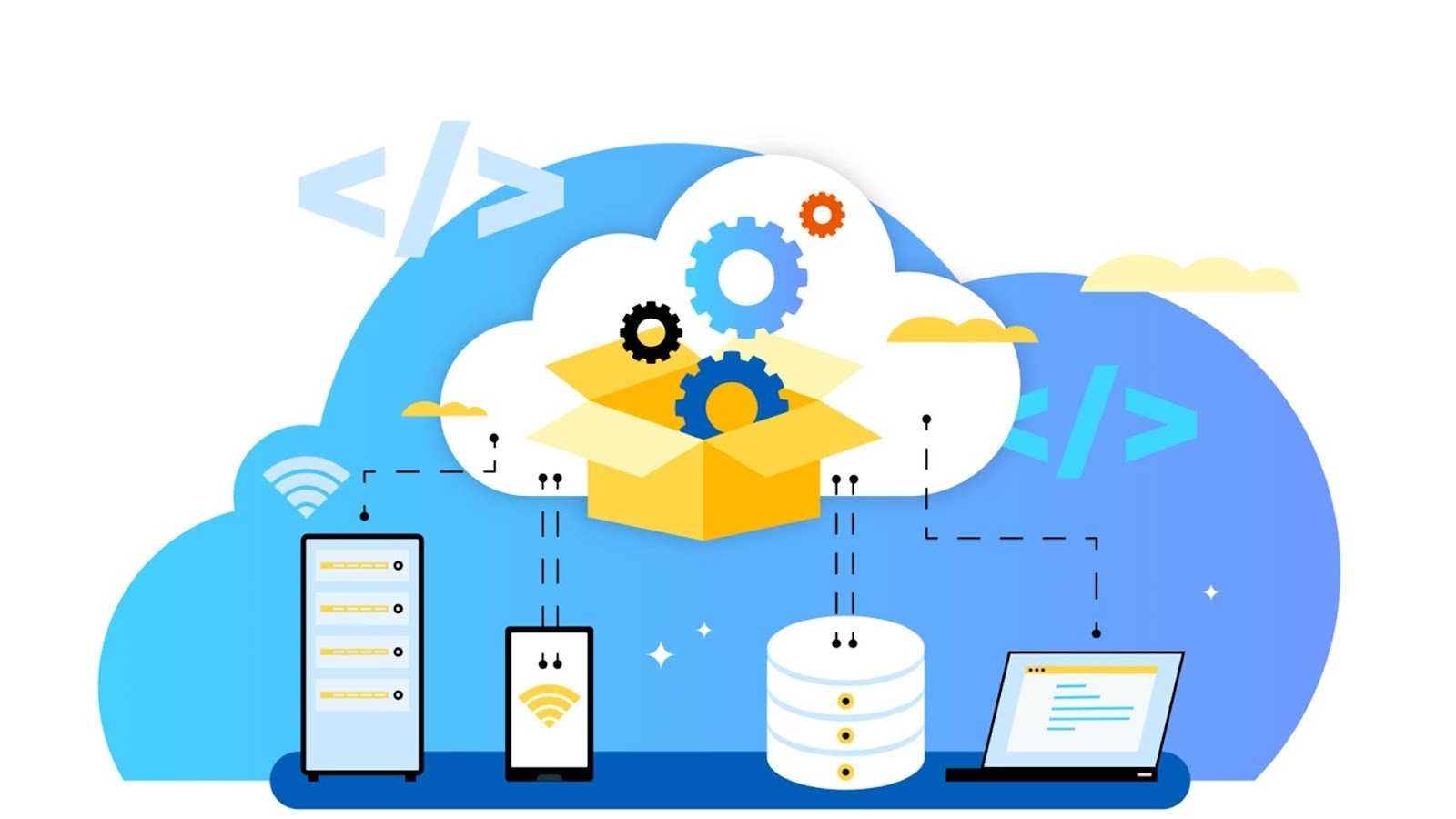
How Multi-Tenant Architecture Powers Modern SaaS Scalability
Multi-tenancy, the model where one platform is shared by multiple customers (each having an isolated data and experience) is a very representative architectural decision in regard to SaaS.
The ideal implementation of multi-tenancy, Slack is the ideal instance. Slack is used by millions of organizations on a daily basis; however, Slack does not release a different version to each user. Each individual has access to a global infrastructure, and workspace is isolated to individuals, but the system is shared.
This makes it quicker to update, inexpensive to maintain and scaling is effortless. A start-up based on multi-tenant architecture eliminates the excessive expense and complexity of handling different clients through their own unique instances. It also makes sure that all people are performing in the same way.
Multi-tenancy is not a technical choice among SaaS founders: it is a business benefit.
Microservices: The Architectural Shift That Enables Hyper-Growth
Most SaaS products are initially monoliths - a single codebase, in which all the bits (authentication, billing, notifications) co-exist. It is easy going initially, but upon the actual product enlarging the real issues arise.
This is an initial challenge that Netflix encountered. The single-focused system was not able to deal with scale: a single malfunction would bring the whole streaming service to its knees. The answer was wholesome change to microservices-scaling the system to smaller, autonomic services that would be able to run, scale and fail.
Microservices do not refer to complexity in the case of SaaS startups. They’re about survival. Microservices make updates safer, allow teams to work separately, add features quicker, and failures do not affect the entire system.
It is the design of all high-growth SaaS products.
Why Serverless Architecture Is a Gift for Early-Stage SaaS
At the early phases of a startup, traffic is unreliable. Some days are quiet. Some days are characterized by all-out bursts due to marketing efforts, collaborations, or a viral piece of content.
This is not well handled by traditional servers, but serverless architecture. Serverless instances as AWS Lambda or Google Cloud Functions allow charging in accordance with the precise usage. You are not dealing with servers, do not have to worry about provisioning and are not afraid of traffic bursts.
Early architecture Figma was relying on serverless in early architecture. The workloads of a real-time designed tool are unpredictable; a group of people may work intensively at a time and the rest of the team may be waiting. Serverless saved Figma the hassle of scaling up quickly when the site is at its busiest and maintaining cost-effectiveness at the times of low traffic.
Serverless architecture provides a potent trio to SaaS startups that have scarce resources due to limited budgeting: speed, scalability, and significant cost-saving.

When Your SaaS Matures, Containers and Kubernetes Take Over
As your product scales, you eventually require having more control of the reliability, deployment, and scaling. It is now that containerization and Kubernetes come in.
Containers package your application along with all that it requires giving uniformity across environments. Kubernetes does all this automatically, which means that it scales them up when traffic hits, when one fails, and allows deployments that are easy and zero downtime.
The infrastructure that Shopify has is a great example. When it comes to huge sellers such as Black Friday, they can increase traffic several times within a few minutes. Kubernetes spins extra containers automatically to meet the load and scales them down when the load is finished which not only saves costs, but it is also stable.
Scalability of SaaS depends on Kubernetes as a support of reliability.
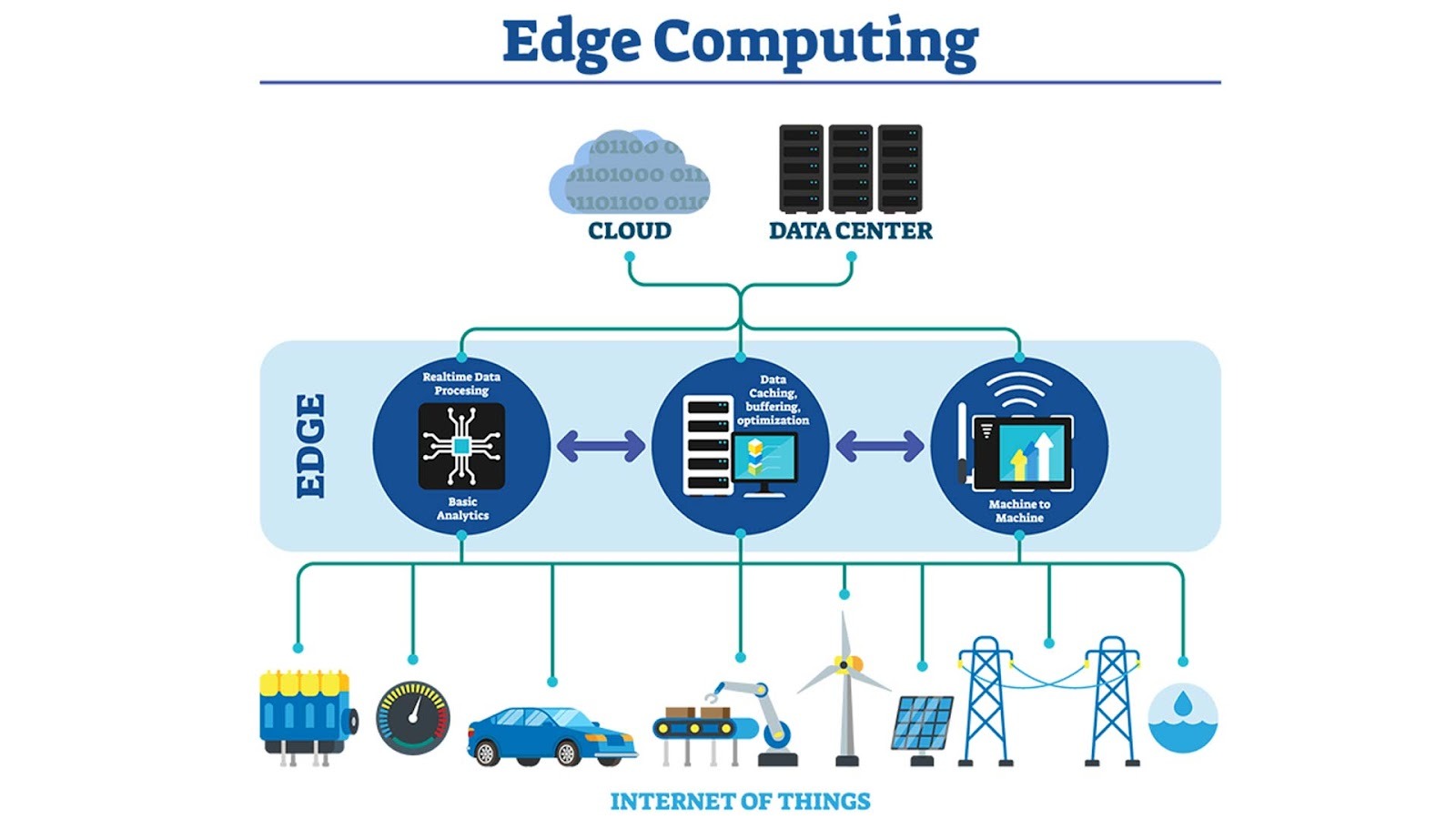
Global Speed: How CDN and Edge Computing Transform SaaS UX
Speed and user experience are inseparable. When your SaaS loads slowly, you lose users - and particularly international ones. One global server would not provide the same experience to their customers in Europe, Asia and the Middle East.
And herein CDNs and edge computing come in. The CDN loads your statics in various places around the world making latency lower. Edge computing goes an extra mile - executing portions of your application code in proximity to the user.
Applications such as Vercel which are employed by some of the top organizations including Notion and TikTok have implemented edge networks to provide snacking performance and speed across the globe. That is the way Notion makes the editing process and the use of it in co-operation even in case of absence of access to a computer.
In the case of SaaS, it is no longer a choice to use a CDN and edge architecture, but it is necessary to ensure a globally consistent experience.
The Database Choices That Determine Your Scalability
With a scalable SaaS database, it is not about something large. It has to do with making a decision that is flexible. The products of SaaS develop in a chaotic fashion, and your database must accommodate this change.
The founding team of Instagram realized this. They started with PostgreSQL but as time went by, they required more flexibility. They did not back up to switch databases; instead, they shared their data, that is, divided their data into two or more smaller manageable databases. This enabled them to go to millions of users without having to rewrite it all.
In the modern world, managed databases, such as DynamoDB, Firestore, PlanetScale, or AWS RDS, are frequently used by SaaS companies since they can be scaled to an outline and they can utilize resources with less operational workload. This is an outage-free and responsive database that scales with your users, to a start-up.
Why Caching Is the Secret Weapon Behind Fast SaaS Apps
All SaaS systems have a single performance micro-bottleneck, which is the database. Unceasing requests are sluggish the application and increase the expenses in the cloud. The solution to this is caching which temporarily stores the data that is used regularly.
Pinterest has previously had a problem of slow loading speed in its fast growth stage. The adoption of Redis caching made the response time significantly high and offered less pressure on their systems. The users immediately experienced the boost in the speed, though there was nothing apparent in the interface that altered.
Caching might seem like a dirty word, however, it can usually provide the largest performance gain to fast-growing SaaS applications.
Continuous Deployment: The Fuel Behind Fast SaaS Innovation
The best SaaS companies put updates in place. It is the reason why they practice CI/CD i.e. automated testing and integration and deployment pipelines that safely push changes to production.
GitHub is a prime example. They are deployed hundreds of times in a day. This pace could only be achieved due to the fact that CI/CD automates the efforts under the hood. No manual deployments. No apprehension of smashing-up. No downtime.
CI/CD is not a luxury to any startup in the SaaS space. It makes your product contemporary, consistent and competitive.
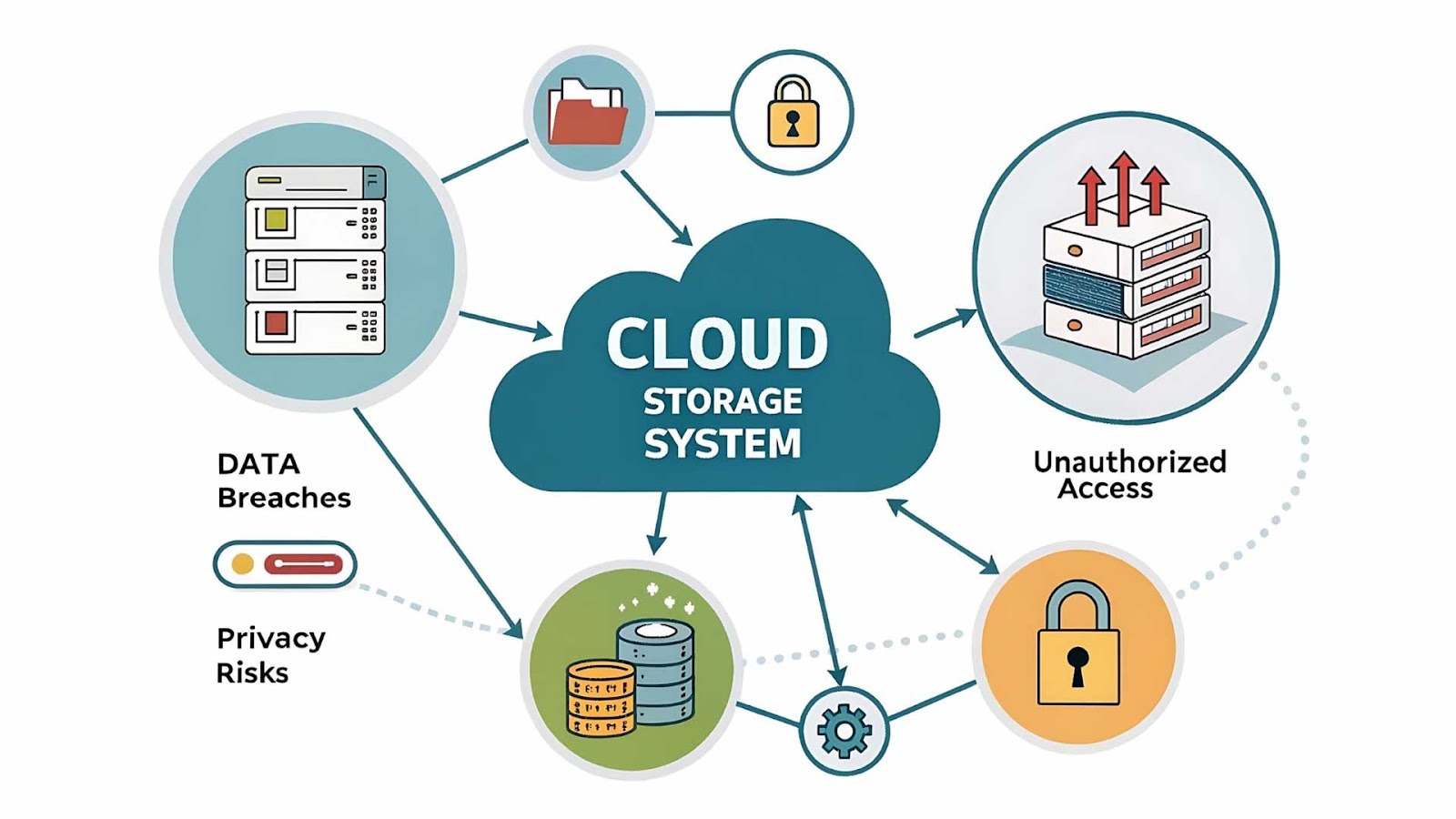
Security Architecture: The Trust Layer of Your SaaS
Security is not a feature, it is why customers are ready to trust you. Scalable SaaS platforms should be designed in a secure manner initially: encrypted, role-based access control, API gateways, and secure data handling.
The most obvious example of doing security right is Stripe. Their whole system is created under the secure and isolated system that is made to safeguard financial data only. This is why firms, big and small, rely on Stripe to make payments.
In the case of SaaS startups, unstable security kills trust in no time. Powerful security architecture develops long term trust.
A Real Story: How a Small SaaS Startup Scaled Smoothly with Cloud Architecture
An EdTech SaaS that is small was created with a new student portal developed in a fast-paced manner on a rudimentary monolithic system. It was alright with the initial users, but larger numbers of schools joined and issues were noticed. Websites were sluggish, applications crashed all the time, and new features of the new version destroyed the functionality of the old one.
It was the decision of the founders to create with appropriate cloud architecture. The main changes included moving the main processes to serverless functions, following the model of multi-tenant layout to schools with varied characteristics, embedded storage resources using DynamoDB onto the massive scale, deployed caching applications with the Redis engine, and the front-end was distributed over a worldwide CDN.
The findings were seen in a few months:
- Exam season was no longer related to the app crashing.
- Performance was also enhanced.
- Infrastructural cost reduced nearly 40 per cent.
The number of users increased to 10,000 from 500 and no need to record the entire product.
This is the actual value of cloud architecture stability, speed, and foreseeable growth.
Final Reflection: Cloud Architecture Is Your SaaS Growth Engine
All the long-term surviving SaaS products share a single similarity in that they have a solid architecture. The things will vary, teams will expand, and the user needs will fluctuate, yet it is cloud architecture that will keep your product on the track.
You can have a startup that can be scaled confidently, release updates much quicker, access users worldwide with ease, and take real business pressure successfully, if you invest in it early.
Your technology is not only technology.
It is the future of your SaaS.