.png)




All startups start in the same manner. A handful of ideas, a minimally large team, and a number of conversations going on all at the same time. WhatsApp messages to the initial customers. Emails of leads. Notes written in Notion. Follow-ups remembered between the head. It will be doable at this level. Personal, even.
Then growth starts.
More leads. More demos. More customer questions. Someone forgets to follow up. A hot lead goes cold. The other customer mails requesting to be updated and nobody knows who was the last to talk to them. This is not a people problem. This is a system problem. That is precisely the point where I find CRM software to be extremely imperative to startups.
CRM software startup is not a complex matter. It concerns the elimination of confusion. It forms a single source of truth to enable the teams to expand and retain control of their relationship, sales, and data.

Why CRM Software Matters Early for Startups
The most common assumption amongst founders is that CRM software is necessary when there are large sales teams. As a matter of fact, the sooner a startup uses CRM software, the simpler the growth would be. Start ups operate without having a CRM and therefore just use memory, spread sheets and tools that do not communicate with one another. This is effective when it has five leads in a month. It is discontinuous, with fifty.
Consider an example of a small business accounting-based SaaS startup. During the first three months, the founder takes all the demos and customer calls. There is a basic primitive Google sheet that tracks leads. Once the startup has a small seed round, two sales reps are hired. As if, LinkedIn ads, website forms, and referrals are leading. Three people were now editing the same Google Sheet. Follow-ups are missed. Nobody is aware of the qualified leads. The failure to close the deals is not due to a bad product, it is just because the system is not certain.
The CRM software addresses this issue by providing order in growth. It stores all leads, all the interactions and even all the deal stages within a single location. It assists startups to overcome reactive selling and the ability to predict growth.
What CRM Software Actually Does for a Startup
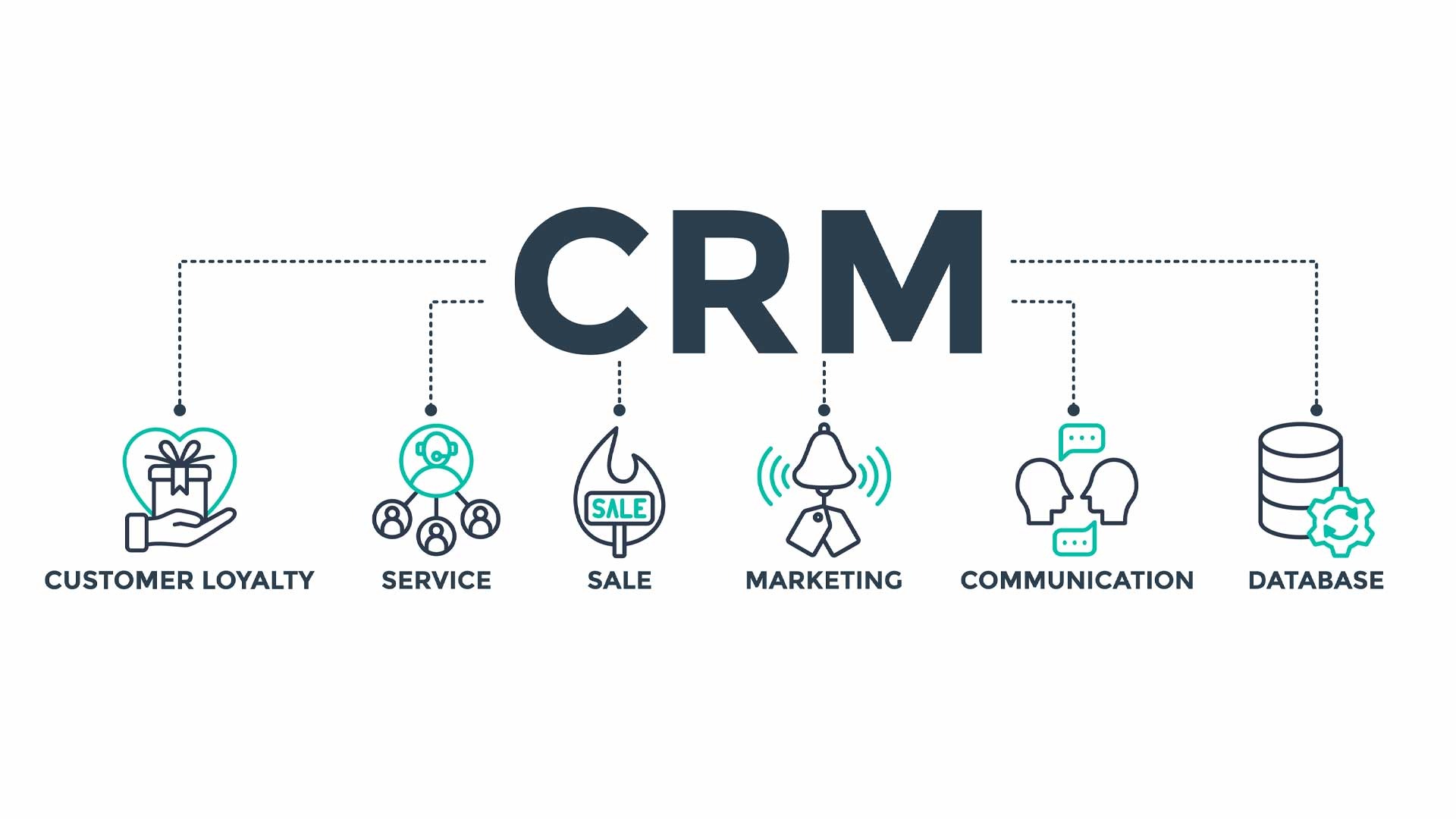
CRM is an acronym that means Customer Relationship management, however with startups it is something more than a contact database. The CRM software aids in the management of the entire process of the initial touch to the retention of customers on a long-term basis.
An excellent startup CRM automatically tracks leads on your website, advertisement and email programs. It demonstrates the source of each of the leads, the things they did and who is supposed to follow through. It follows the discussions to ensure nothing is lost in the process. It provides the founders with control on what is working and what is not.
To take such an example, a startup that sells logistics software may realize, via their CRM, that referral leads convert faster than paid advertising leads. In the absence of CRM data, this observation is a guess. The choices made using CRM software are made on facts and not speculation.
Such information is even more useful when the startup expands. CRM software transforms day to day operations into insights to guide founders make wiser decisions.
Scaling Without Chaos: A Real Startup Scenario
We can assume a real-life situation where many startups are struggling.
An MVP is launched by a product startup that manages restaurants. During the initial six months, the growth is organic. Restaurant owners are addressed directly by the founders. Feedback is personal. Sales happen over calls. Nothing is out of control.
Inbound leads go up as the word goes round. The team employs a single salesperson and single customer care agent. Conversations are taking place over email, calls, WhatsApp and LinkedIn. The owner of a restaurant requests a follow up demo, but the message is lost. Another customer desires an upgrade, and nobody is remembering the status that they are on.
It is here that startups either stagnate or make prudent growth.
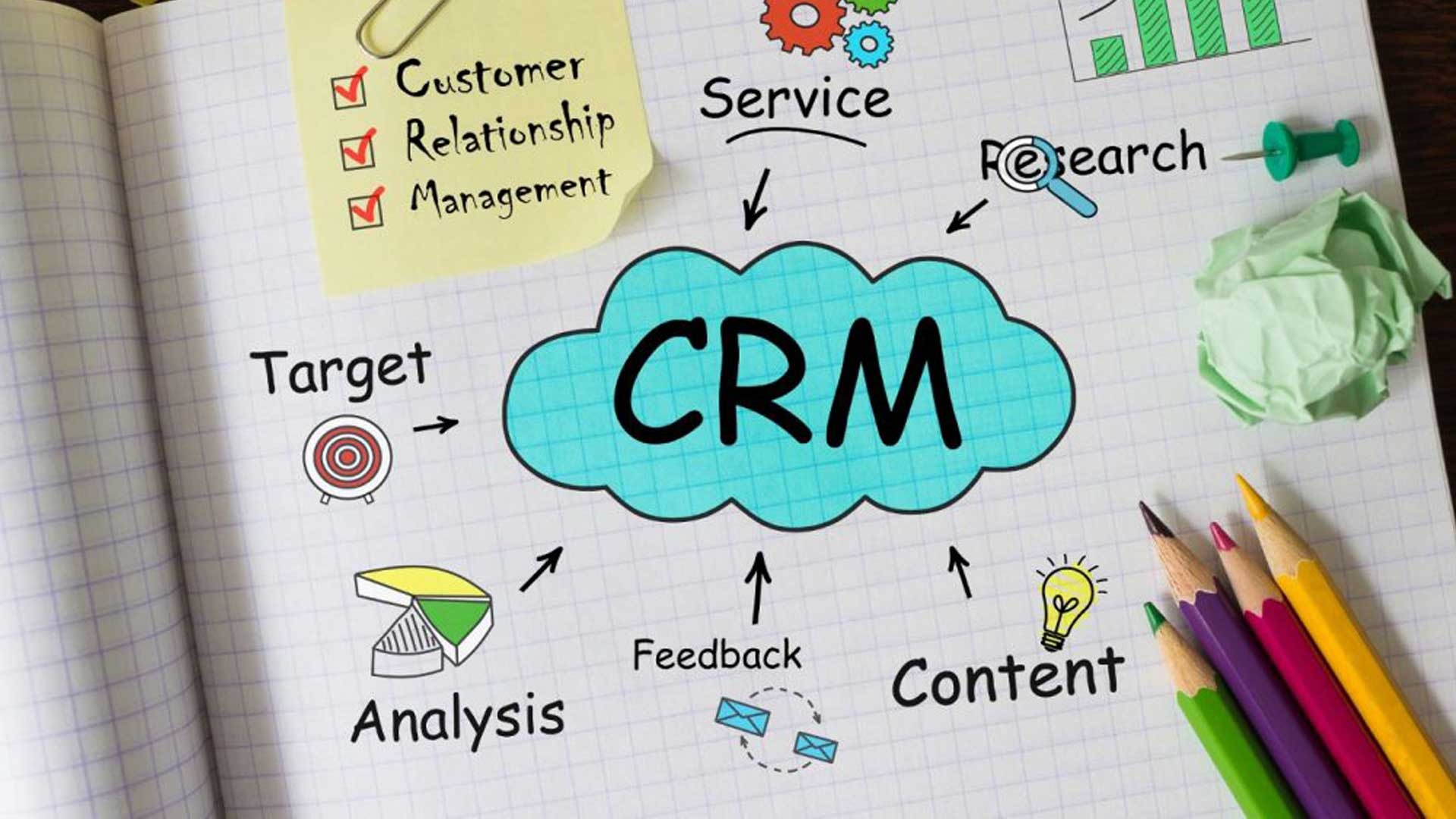
CRM software has the advantage of recording any interaction automatically. The sales reps would know when to make a follow-up. The support teams view the entire customer history prior to taking action. Proprietors are able to envision the number of leads that are on the deck and the nearness to the income goals. Development becomes organised rather than strenuous.
CRM Software Helps Startups Build Repeatable Sales
Lack of consistency in sales is one of the largest problems that startups deal with. One month looks great. The following month falls abruptly. This normally occurs since the sales processes exist in the minds of the people rather than systems.
CRM software assists startups to initiate repeatable sales. It establishes clear steps whose names are lead captured, qualified, scheduled demo, proposal sent and deal closed. This transparency enables the teams to have an idea of where deals are stalling and the reasons why.
Below is a case in point where the number of leads that drops following demos might be a sign of the need that there is a product clarity problem. When proposals do not get through on the deals, then it may be pricing or follow-up. These trends cannot be observed without CRM software.
In the long run, CRM software startups develop foreseeable revenue streams. This bears particular significance when addressing investors who are so concerned with figures, patterns and mechanisms.

CRM Is Not Just for Sales Teams
Most startups believe that CRM software can be used solely in sales. As a matter of fact, CRM takes marketing, sales, and customer success into a single flow.
The CRM data enables marketing teams to know the campaigns that are producing high-quality leads. It is used by the sales teams to close deals in a shorter period of time. It is used by customer success teams to enhance retention and upsells.
Take a case of a startup that is the provider of the HR softwares to the small firms. Marketing organizes a webinar campaign. CRM software deals with the attendants who subsequently become paying customers. Those leads are given preference by the sales teams. Post-onboarding, the customer success team utilises data stored in CRM to learn what customers use as well as provide customers with timely support.
The shared visibility brings about harmonization among teams, which is significant in increasing startups.
Choosing the Right CRM Software for Startups
Not every CRM software is start-up oriented. Most tools are oriented towards large companies that have had a complicated workflow and expensive nature. Startups require easy, scalable and flexible CRM software.
The CRM software needed by start-ups must be simple to learn without having to take protracted training. It must be installed alongside other tools that startups already have, including email, calendar, and marketing apps and support software. It must expand together with the business and not subject it to the need to change its entire system annually.
The other mistake that startups often commit is that they select a CRM that is either too simple or complicated. Being too simple means that it will mature too soon. Too complex equates to low adoption and wastage of investment. The optimal CRM is the one that meets the present needs and prepares in a way that would accommodate future expansion.
CRM Software Supports Better Customer Relationships
CRM software will assist the firms to form closer relationships with consumers at its essence. It will be able to remember no conversation. It causes customers to feel that they are remembered and not handled.
Imagine how consumers feel when they are forced to repeat a problem to other followers. CRM software eliminates this by ensuring that the context is preserved. All team members are able to view the entire history and this will foster trust and professionalism.
In cases where a startup has to compete with a bigger company, experience is just the same as features. CRM software assists startups in providing scale and uniform human experiences.
How CRM Software Impacts Long-Term Growth
The CRM software is not simply an ingredient that helps the startups survive the initial growth. It promotes scaling towards the long term.
CRM is the new front to business expansion (as startups reach new markets), staffing (as companies grow and hire new staff), and to roll out new products. It offers continuation when there are team transitions, and transparency when there is a sudden extension.
Late adoption of CRM by startups is normally accompanied by painful migrations in the future. Data gets lost. Processes break. Teams resist change. When CRM software is implemented early, these problems are prevented and a solid base is established on which to grow.
CRM Software Is an Investment, Not a Cost
The reason is that many young startups are afraid to spend on CRM software due to financial limitations of the budget. However, it is not really the software that is expensive. The actual expense is lost leads, follow-ups, slow decision making, and bad customer experience.
CRM software is self-paying as it enhances the conversion rates, less manual work, and assists teams in concentrating on the most significant projects. It enables startups to expand without overworking founders and teams.
Final Thoughts: Build Once, Scale Smart
Scaling a startup is hard. It is more difficult to scale without systems.
CRM software provides startups with the structure, but not assassinate flexibility. It substitutes anarchy with order. It makes growth manageable and quantifiable.
The CRM software is not a luxury to startups that expect to develop sustainable businesses. It is a foundation.
The sooner you do it right the easier the rest.